When The Runway Becomes Entertainment
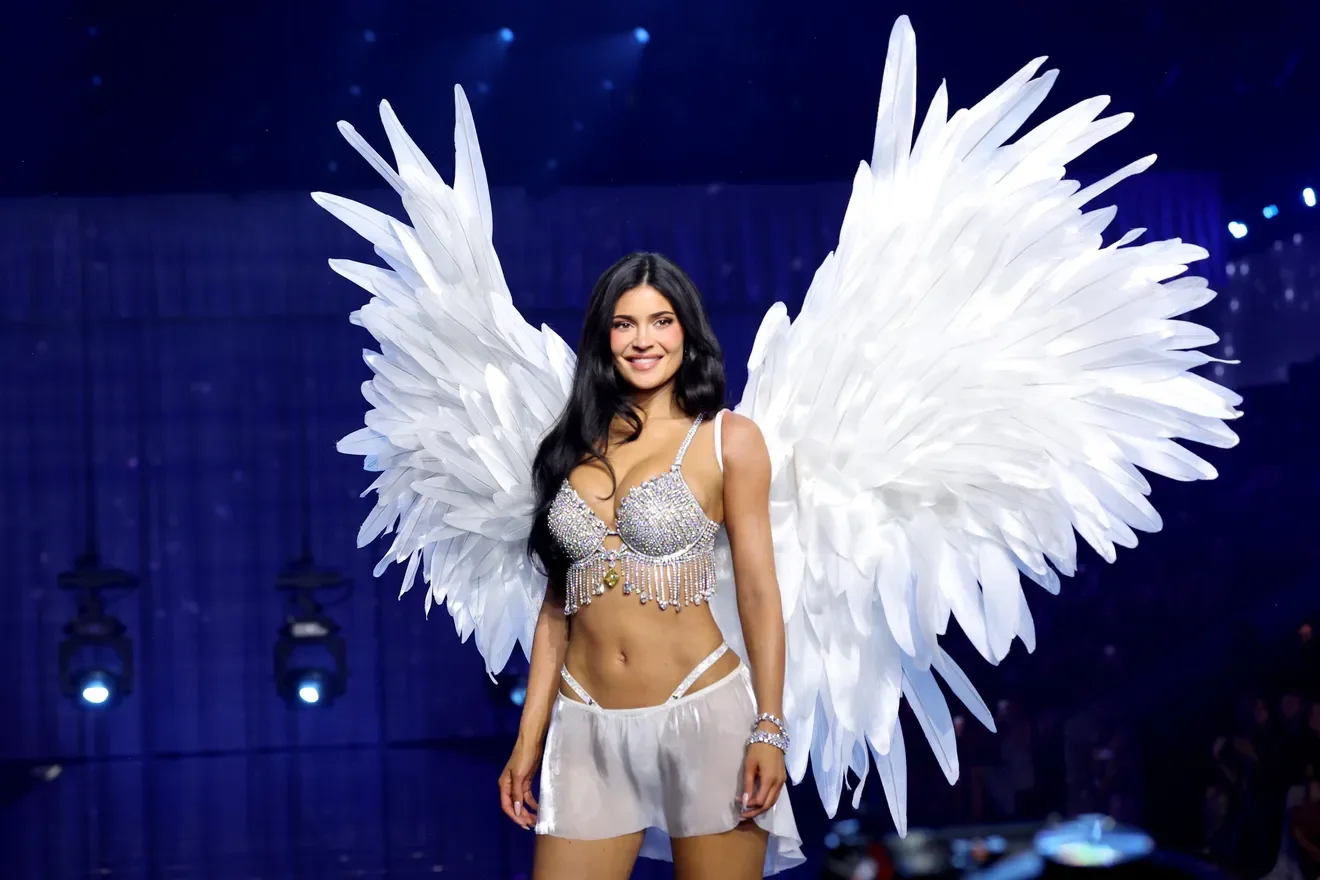
Kylie Jenner stuns in 2026 Fantasy Bra, valued at $50. (Photo taken by Dimitrios Kambouris)
Fashion has always been about more than clothing. It is about identity, aspiration, storytelling, and the desire to become part of a particular lifestyle. Few brands have demonstrated this connection quite like Victoria’s Secret, whose annual fashion show transformed lingerie from a retail product into a global entertainment spectacle.
The 2026 Victoria’s Secret Fashion Show, held in Los Angeles on October 18, continued this tradition with elaborate runway designs, celebrity appearances, live musical performances, and the highly anticipated return of the Fantasy Bra. With Kylie Jenner making her runway debut in a $50 million jeweled creation, the event demonstrated how a women's apparel brand can use celebrity power and spectacle to generate attention far beyond its products.
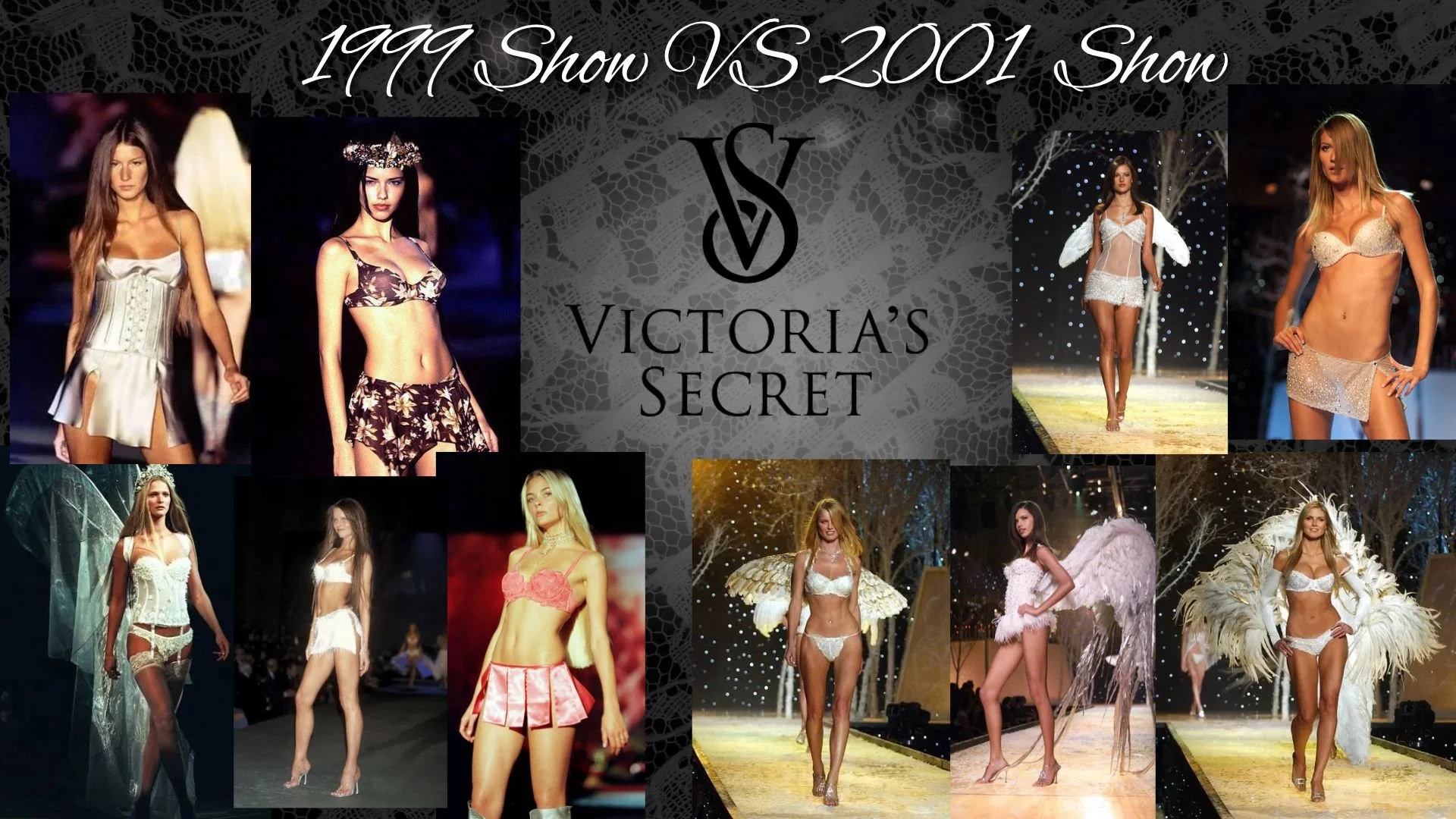
Collage of Victoria Secret Fashion Show looks from 1999 (Left) and 2001 (Right). (Collage made by Anastasia Manouvelos)
Although the Victoria’s Secret Fashion Show began in 1995, the brand's early digital experiments helped establish its reputation for fashion entertainment. In 1999, its online fashion show attracted more than two million people attempting to access the webcast, overwhelming the technology available at the time. The event was widely described as having broken the internet. In 2001, the show made its network television debut on ABC, combining lingerie, supermodels, and musical performances for a mainstream audience.
These milestones told the world that a fashion show could function as more than an industry presentation for buyers, editors, and fashion insiders. It could become a public-facing media event that attracted audiences through celebrity culture, music, visual spectacle, and the promise of exclusive access.
For women's apparel brands, that distinction matters. A traditional product advertisement asks consumers to consider what they might buy. An entertainment-driven runway invites them into a world they might want to be part of. The clothing becomes one piece of a much larger experience, and that experience can create commercial value through brand recognition, social media engagement, product discovery, and purchasing interest.
The Victoria’s Secret Fashion Show offers a compelling case study in how fashion brands turn attention into aspiration, and aspiration into potential sales.
From Fashion Runway to Global Entertainment
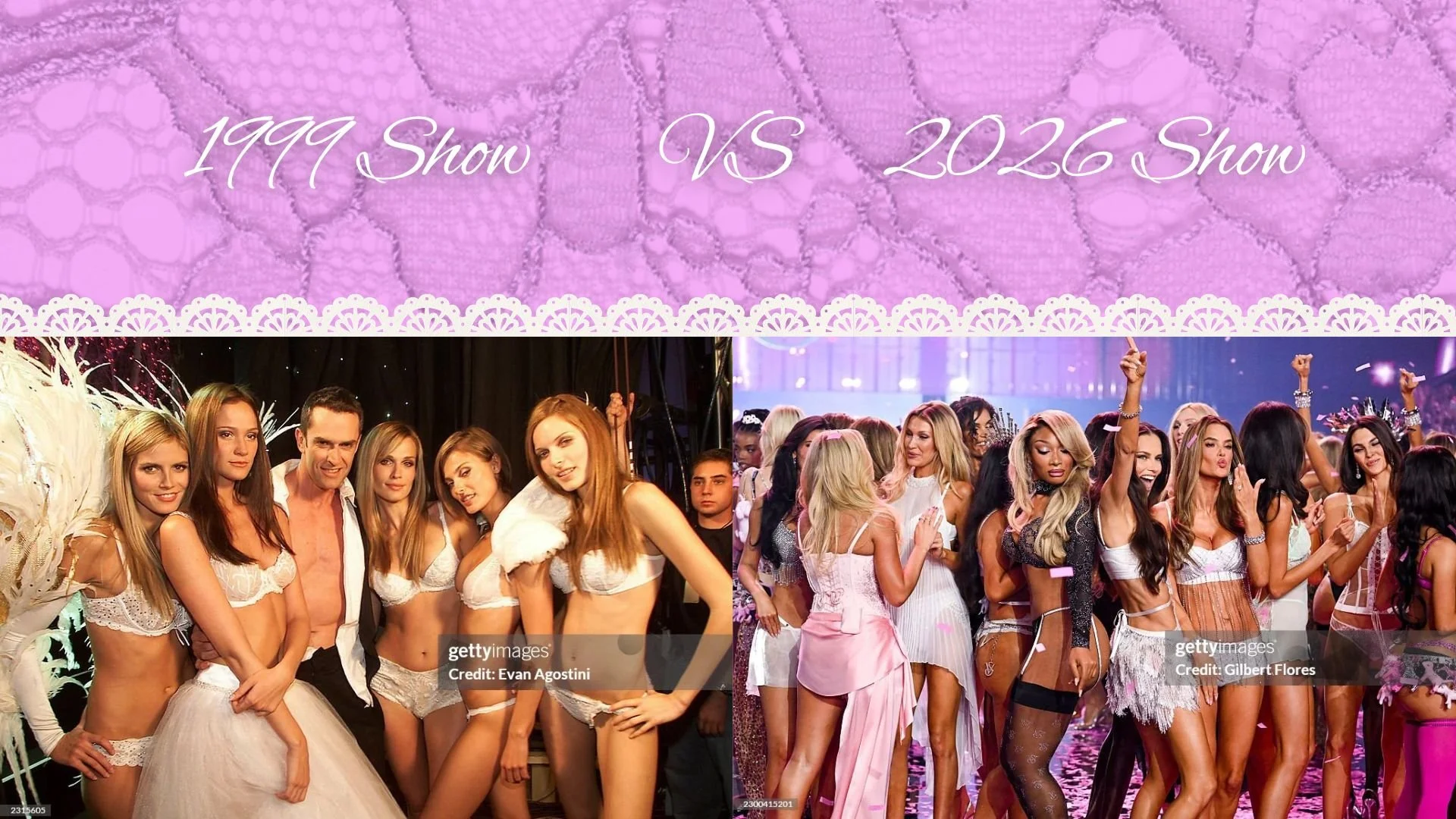
Show comparison of 1999 Victoria Secret Fashion show vs 2026 show. (Collage made by Anastasia Manouvelos)
Historically, fashion shows have served an important purpose in the apparel industry: presenting collections to buyers, editors, journalists, and other industry professionals. Runway presentations help communicate a designer's creative direction, introduce new silhouettes, and establish the trends that may influence future retail collections.
Victoria’s Secret expanded the possibilities of this format by building an event around the products themselves. Its signature wings, elaborate lingerie, dramatic lighting, recognizable models, and musical performances created a show designed to entertain a much broader audience.
The 2001 television debut was an important turning point in this evolution. Rather than limiting the presentation to a fashion-industry audience, Victoria’s Secret brought its runway into millions of living rooms. The show combined product promotion with the appeal of televised entertainment, helping the brand become a recognizable part of mainstream pop culture
The distinction is not that Victoria’s Secret invented entertainment in fashion. Designers had long used theatrical presentations, celebrity associations, and elaborate staging. Instead, the brand helped popularize a particular commercial formula: make the runway an entertainment event, build a recognizable visual identity around it, and use the resulting attention to promote a retail business.
Today, that formula extends across fashion week livestreams, designer collaborations, celebrity appearances, social media campaigns, and immersive brand experiences.
An apparel brand does not have to sell every product directly during a show to benefit from it. Media coverage, audience conversations, repeat viewing, and online searches can all increase exposure to the brand and its collections.
Aspirational Fashion: Selling a Lifestyle, Not Just a Product
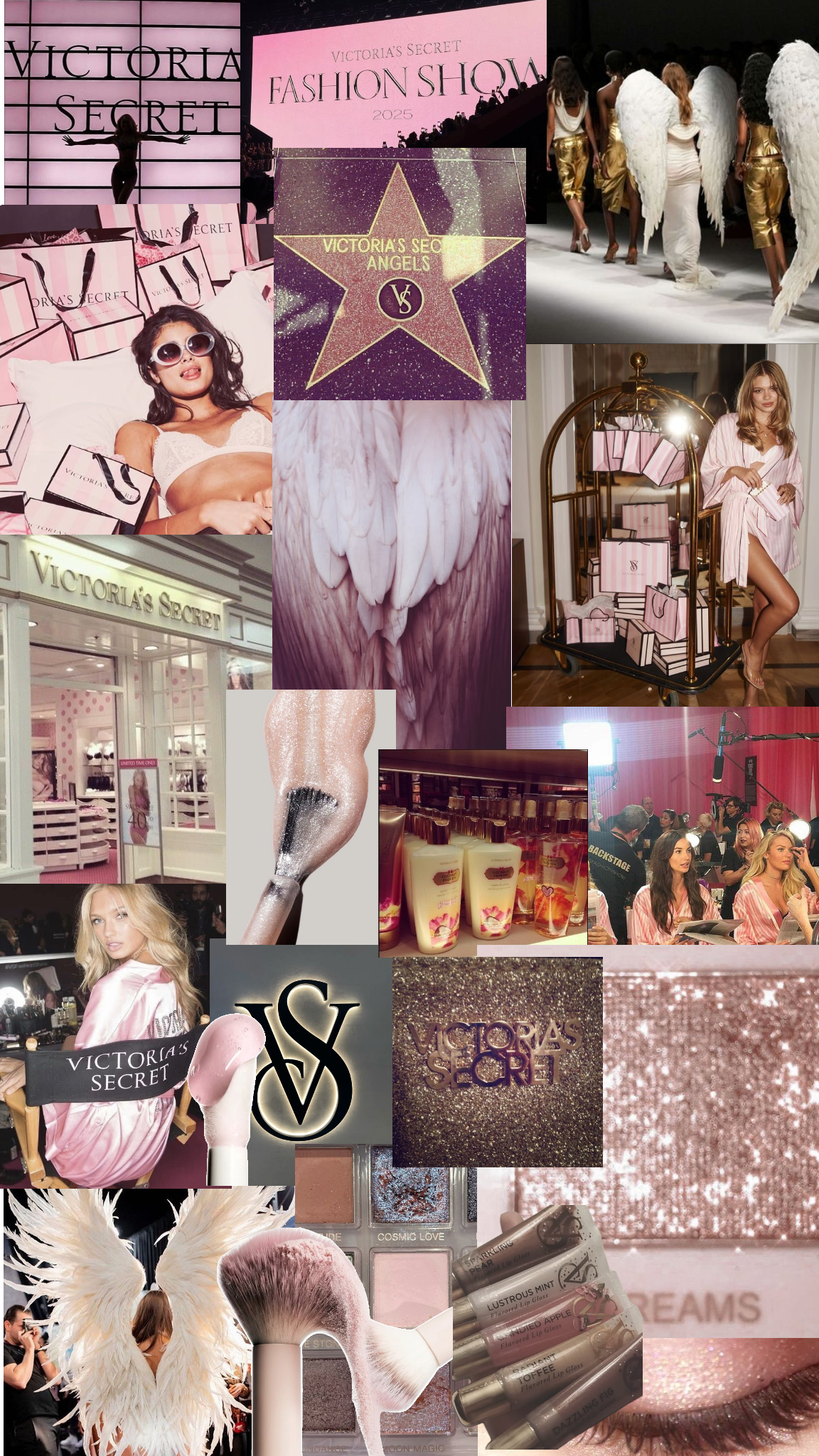
Victoria Secret Moodboard (Created by Charly on Pinterest).
One of the most powerful ways fashion brands influence purchasing decisions is through aspiration. Consumers do not always buy clothing solely because they need it; they may also be drawn to the confidence, glamour, status, or sense of belonging that a brand represents.
The Victoria’s Secret Fashion Show built its identity around this idea. Its models wore elaborate lingerie, towering heels, and dramatic wings in an environment designed to make each look feel remarkable. . The result was a presentation in which products were connected to an idealized version of femininity, beauty, and confidence.
For younger consumers navigating social media, celebrity culture, and an endless stream of fashion content, aspirational marketing remains especially relevant. A runway look can inspire a shopper to seek out a similar bra, bodysuit, satin slip dress, or matching lingerie set, even if the shopper never intends to purchase the exact item worn onstage.
This creates several opportunities for apparel brands:
Emotional connection: A campaign can associate clothing with confidence, romance, independence, or a particular lifestyle.
Desire through storytelling: Styling, music, lighting, and celebrity appearances give products a narrative beyond their practical function.
Trend creation: Distinctive runway looks can inspire conversations about colors, fabrics, silhouettes, and accessories.
Product discovery: Consumers who encounter a show through entertainment coverage may subsequently explore the brand's commercial collections.
Victoria’s Secret's 2026 show illustrates how this process can work. The brand organized the runway around seasonal themes, from spring-inspired looks to dramatic winter designs, giving viewers a series of distinct visual identities rather than a simple succession of products. The event also featured live performances from Megan Thee Stallion, Tate McRae, Megan Moroney, and KATSEYE, connecting lingerie to music and contemporary celebrity culture.
However, attention does not automatically translate into sales. A viewer might enjoy the spectacle without purchasing anything. The commercial opportunity lies in moving consumers from awareness to interest, then making it easy for them to discover and shop products that reflect the looks they enjoyed.
Entertainment creates the initial emotional connection; product availability, price, quality, fit, and shopping convenience determine whether that interest can become a purchase.
The Supermodel Effect: Beauty Standards and the Desire to Buy
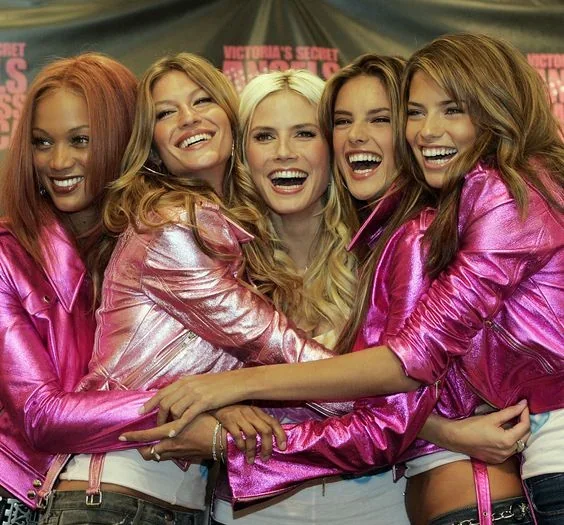
Victoria Secret Angels Tyra Banks, Gisele Bündchen, Heidi Klum, Alessandra Ambrosio, and Adriana Lima (from left to right). (Photo taken by Matthew Simmons)
For decades, Victoria’s Secret's Angels represented a highly recognizable beauty ideal. Many of the brand's best-known models were slender, toned, and athletic-looking, with long limbs and visibly defined physiques. Their appearances became a central part of the show's visual identity.
The casting was not simply about presenting lingerie. The models embodied the aspirational image that Victoria’s Secret sold alongside its products. Elaborate styling, professional hair and makeup, carefully choreographed walks, and dramatic lighting contributed to a polished image that viewers could associate with the brand.
As time went on, this approach attracted heavy criticism from the general public. The emphasis on a narrow, highly idealized physique could leave many consumers feeling that the brand's vision of beauty did not reflect their own bodies. As expectations around body diversity and representation changed, Victoria’s Secret faced growing scrutiny over the gap between its traditional marketing and the range of women who purchased lingerie.
That tension is important when examining how aspirational fashion generates profit. An idealized image can create desire, but it can also alienate consumers who feel excluded from that image. The same marketing that makes a brand recognizable may limit its relevance if shoppers do not see themselves represented.
The contemporary conversation around women's apparel increasingly involves a different question: Can a brand create aspiration without implying that only one body type deserves to feel fashionable or confident?
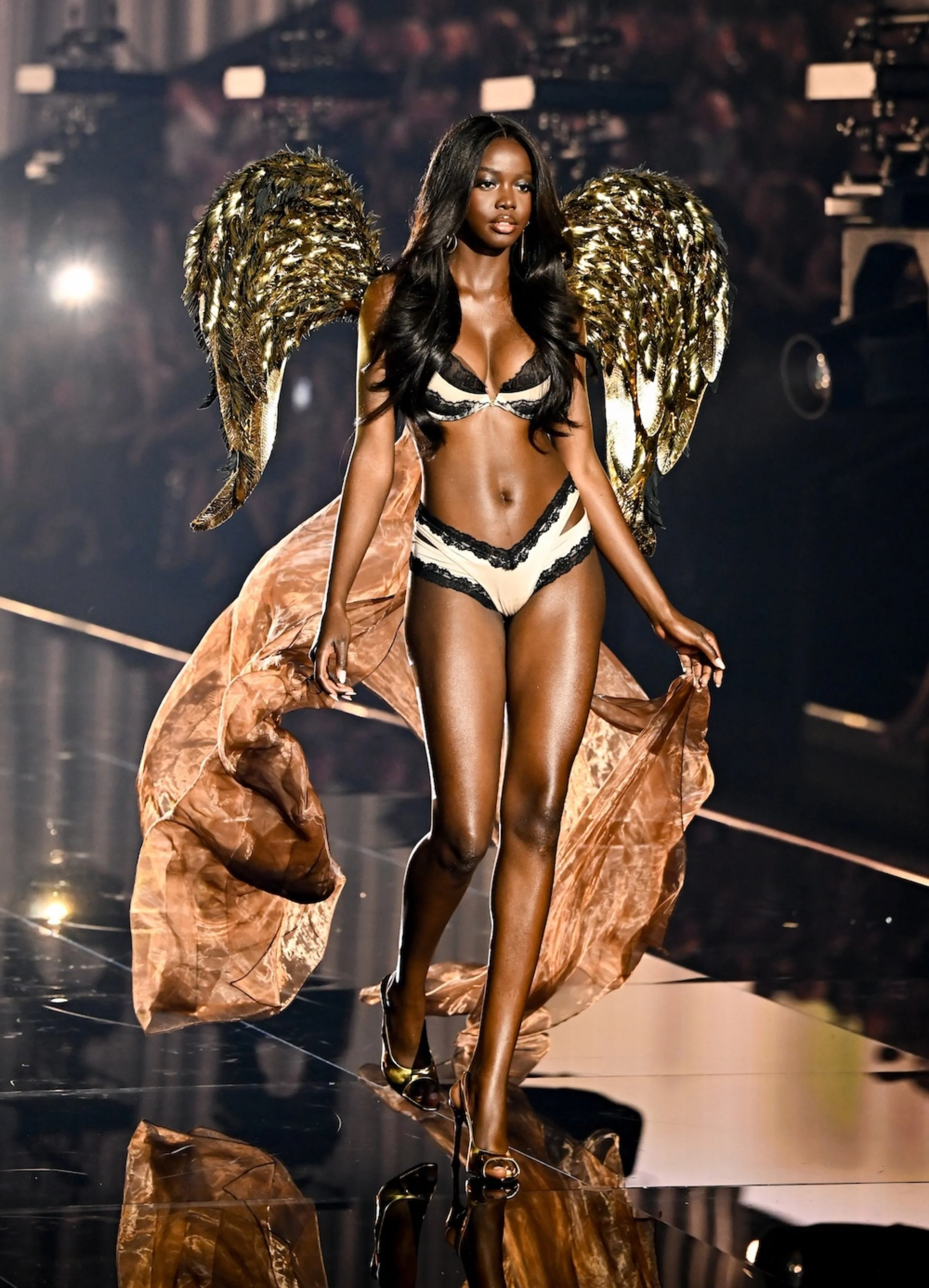
Solange Omon, winner of Victoria Secret docuseries, Angels Among Us. (Photo taken by Michael Buckner)
The 2026 show included models such as Ashley Graham and Paloma Elsesser alongside returning Angels and other established runway names. Its casting also included an open-search initiative documented in the brand's Angels Among Us series, a Youtube documentary series where models competed to be cast as the newest 2026 Victoria Secret Angel, illustrating an effort to introduce new faces while retaining recognizable elements of its identity.
This evolution reflects a broader challenge for women's apparel brands. Consumers may still be drawn to aspirational imagery, but they increasingly encounter that imagery alongside conversations about sizing, inclusivity, authenticity, and representation.
The $50 Million Fantasy Bra: When a Product Becomes a Cultural Event
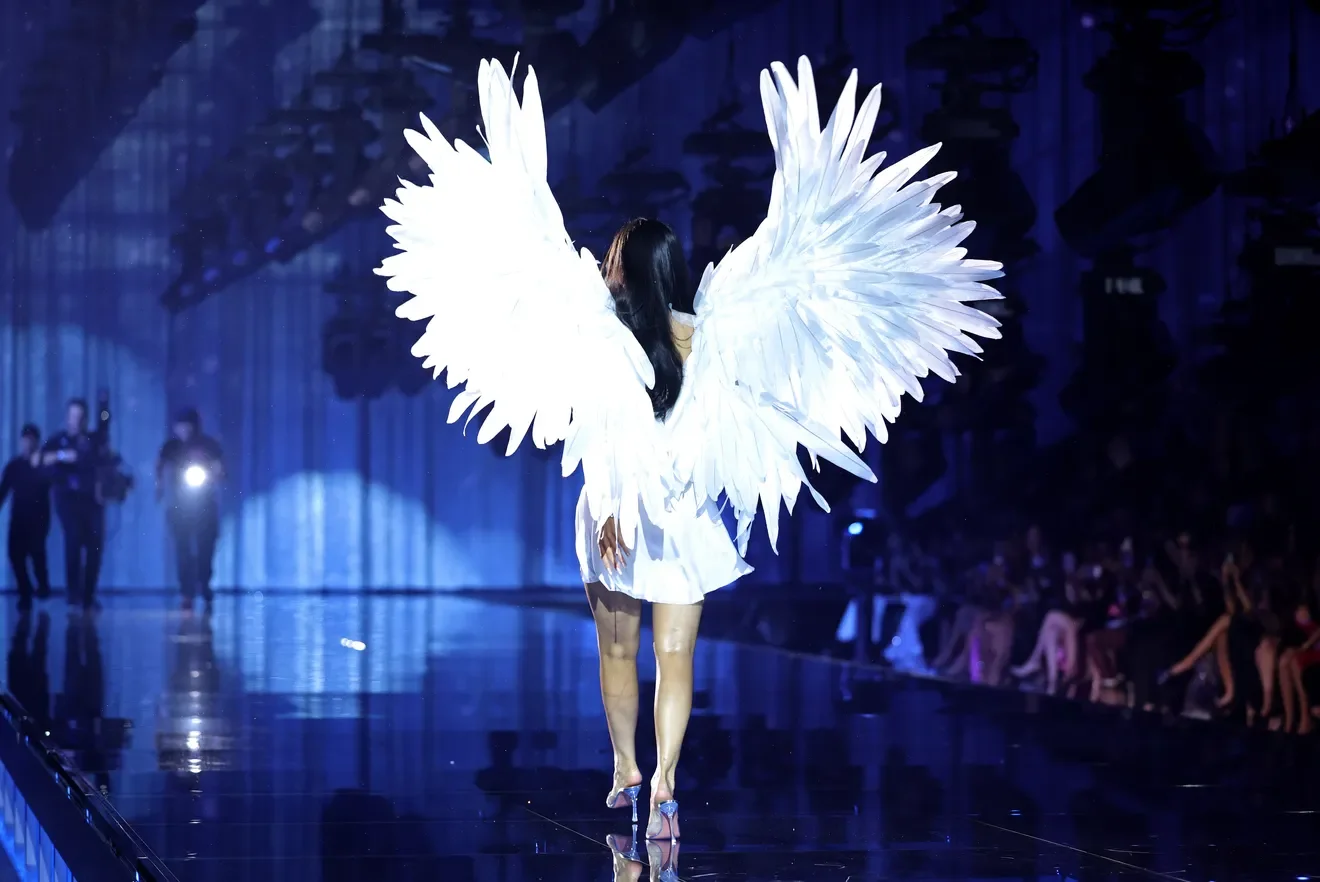
Kylie Jenner walking the Victoria Secret Fashion Runway 2026. (Photo taken by Frazer Harrison)
Few examples capture the commercial power of fashion spectacle better than the Victoria’s Secret Fantasy Bra. Rather than presenting lingerie as an ordinary retail product, the Fantasy Bra transforms it into an extraordinary creation associated with precious materials, craftsmanship, exclusivity, and celebrity.
The tradition began in 1996, and the designs have since become some of the most talked-about elements of the brand's runway history. In 2026, Victoria’s Secret brought the Fantasy Bra back to the runway for the first time since 2018, partnering with luxury jeweler Jacob & Co. to create its most expensive version yet.
The 2026 Fantasy Bra was worn by Kylie Jenner, whose enormous social media following and makeup company made her a particularly high-profile choice. The design features 4,410 natural diamonds surrounding a 75.54-carat radiant-cut Fancy Vivid yellow diamond. Fifteen craftspeople spent more than 1,000 hours creating the piece, which was valued at $50 million.
The bra is not an ordinary commercial product intended for everyday wear. Its significance lies in its ability to capture attention and generate a story that consumers want to follow. The price, craftsmanship, gemstones, and celebrity wearer all become part of the spectacle.
This year’s fantasy bra was a headline-generating product, giving journalists and audiences a compelling reason to discuss the show. Jenner’s celebrity association only fueled the discussion further. The collaboration with Jacob & Co. gave Victoria Secret more brand prestige by placing them in conversation with luxury jewelry and high-end craftsmanship. All of this fueled social media circulation of the event, increasing the event’s visibility and in turn will result in consumers to explore the rest of Victoria Secret’s collection.
The most valuable marketing product is not always the item a brand expects to sell in large quantities. Sometimes, an exceptional creation serves as a powerful promotional centerpiece for an entire collection.
The Fantasy Bra creates a contrast between the extraordinary and the accessible. Consumers may never own a $50 million jeweled bra, but they can shop for crystal-embellished lingerie, satin bras, matching sets, or other pieces that echo the runway aesthetic.
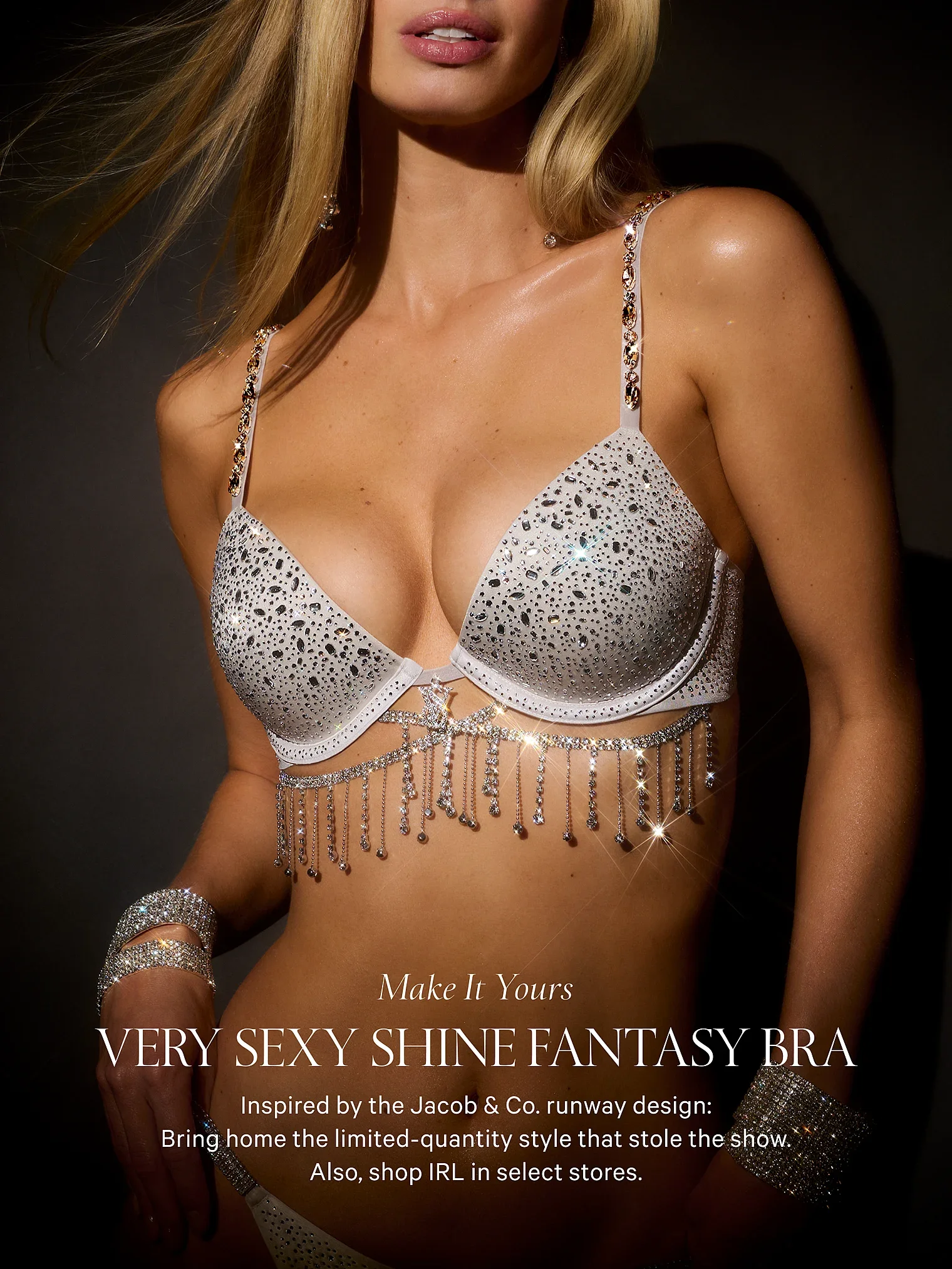
Very Sexy Shine Fantasy Bra sold at Victoria Secret. (Victoria Secret)
Victoria’s Secret also promotes a limited-edition Very Sexy Shine Fantasy Bra, retailing for $398. The bra is inspired by the runway design, offering a more commercially accessible interpretation of the Fantasy Bra concept.
This is how runway fantasy can support retail: a headline-making creation captures the audience's imagination, while related products provide a more realistic way to participate in the look.
Celebrity Influence: Turning Cultural Relevance Into Shopping Interest
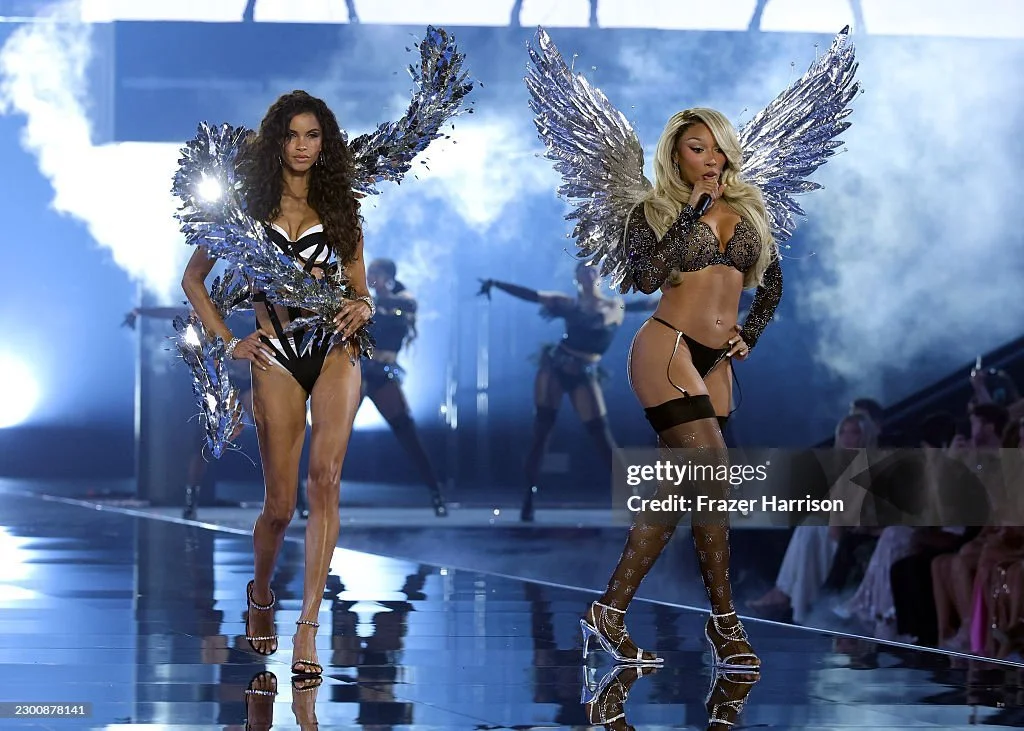
Megan Thee Stallion performs at the 2026 Victoria Secret Fashion Show. (Photo taken by Frazer Harrison)
Celebrity involvement has long been an important component of the Victoria’s Secret Fashion Show. Musicians perform, actors and public figures attend, and recognizable personalities wear the brand in ways that generate additional media coverage.
The 2026 event demonstrated how this strategy can connect multiple audiences. Jenner's Fantasy Bra appearance brought beauty and celebrity culture into the runway narrative, while performers including Megan Thee Stallion and Tate McRae added their own musical identities and visual styles to the show.
For women's apparel brands, celebrity participation can create a powerful association between a product and a personality consumers already recognize. A garment becomes more than an item on a rack when it is linked to a memorable appearance, a viral photograph, or a look that fans want to recreate.
Celebrity influence can work through several mechanisms. Familiar faces can encourage audiences who might not ordinarily watch a fashion show to engage with the event. Furthermore, viewers may search for similar silhouettes, colors, or accessories after seeing a celebrity wear them. Collaborations with musicians, actors, and beauty entrepreneurs can help a traditional retailer participate in current entertainment conversations. Lastly, celebrity social media posts and entertainment coverage can expose a brand to audiences beyond its own channels.
Still, visibility is not the same as consumer conversion. A celebrity appearance may generate millions of impressions without proving that viewers purchased the associated products. Brands need to connect awareness to measurable behavior through product-page visits, engagement, sales data, and other campaign indicators.
The wider lesson is that celebrity marketing works best when the personality, the product, and the audience fit together. The aim is not simply to place a famous person in a garment, but to create a moment that people want to discuss, share, and potentially shop.
This also providers a useful reminder for consumers, a product's popularity or celebrity association doesn’t indicate its quality, value, or suitability for an individual's needs.
The PINK Halftime Show: Influencers, Youth Culture, and the Next Generation of Shoppers
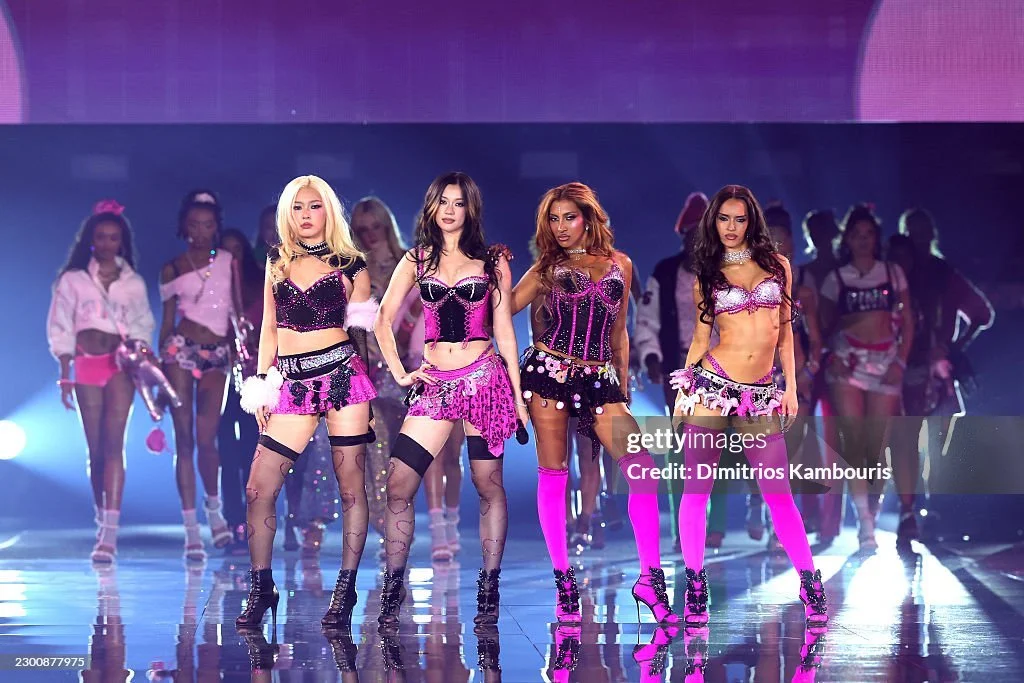
Katseye performs at the 2026 Victoria Secret Fashion Show. (Photo taken by Dimitrios Kambouris)
While the main Victoria’s Secret runway emphasizes glamour and lingerie, the PINK Halftime Show offers a different kind of entertainment. It connects the retailer's youth-oriented sub-brand with music, creators, and a more casual apparel aesthetic.
In 2026, KATSEYE performed during the PINK segment, while a lineup of models and emerging personalities, including Quenlin Blackwell, Gabriela Moura, Natalia Bryant, and Trinity Rodman, helped bring the collection to life.
This segment illustrates how fashion entertainment can be tailored to different consumer groups within the same brand. The main runway offers elaborate lingerie, wings, and luxury spectacle, while PINK emphasizes a youthful mix of coordinated sets, sporty influences, playful accessories, and pop-culture styling.
Influencers are particularly relevant to this strategy because their audiences often follow them for everyday outfits, beauty recommendations, and lifestyle inspiration. Unlike a traditional runway model whose primary role is to present the collection, a creator may bring an existing community of followers who are interested in their personality as well as their clothing.
That can make influencer participation valuable in several ways. First, creators bring visibility with a built-in audience, the people who already follow their content. Social media can show relatable styling and how casual apparel fits into everyday routines, rather than only presenting it under runway lights. In addition to, shareable content, behind-the-scenes clips, outfit breakdowns, and performance highlights can extend the event's reach. The influencer’s allow consumers to move from seeing a creator's look to exploring the brand's products online. Lastly, influencers creates community connection, a familiar digital personality can make a major retail brand feel more connected to the audiences it hopes to reach.
The PINK segment also illustrates how an entertainment event can market different product categories at once. Matching lounge sets, bras, panties, jackets, accessories, and other casual pieces can all benefit from the same visual campaign.
For women's apparel retailers, the broader opportunity is to make a fashion show relevant to multiple shopping occasions. The same event can generate excitement around premium lingerie while promoting everyday basics to a younger audience.
The Future of Fashion Marketing: Spectacle With a Purpose
The Victoria’s Secret Fashion Show demonstrates how women's apparel brands can use entertainment to build cultural relevance, strengthen brand identity, and create opportunities for retail sales. Its combination of recognizable models, musical performances, celebrity appearances, elaborate designs, and social media distribution transforms a clothing presentation into a broader cultural event.
However, the strategy also comes with challenges. Entertainment is expensive, celebrity attention can be unpredictable, and online engagement does not guarantee purchases. Brands must also navigate changing expectations around body representation, inclusivity, authenticity, and the responsible use of aspirational marketing.
The traditional Victoria’s Secret aesthetic relied heavily on a narrow ideal of beauty, but today's consumers encounter a much wider range of body types, personal styles, and definitions of confidence. The brand's ability to remain relevant depends in part on how effectively it responds to those changing expectations while retaining the recognizable elements that make its show distinctive.
The future of fashion entertainment may therefore depend on balancing spectacle with substance. A spectacular runway can attract attention, but consumers still evaluate the products behind the performance: their fit, quality, price, comfort, and relevance to everyday life.
For other women's apparel retailers, the lesson is not necessarily to recreate the Victoria’s Secret Fashion Show. It is to understand what makes the event effective: a distinctive identity, a compelling story, memorable visual moments, relevant personalities, and a clear path from entertainment to merchandise.
When the Runway Becomes a Business Strategy
From its early internet experiments to its 2026 Los Angeles production, the Victoria’s Secret Fashion Show illustrates how the boundaries between fashion, entertainment, and retail have evolved.
The brand helped demonstrate that a runway can do more than introduce a collection. It can generate headlines, attract celebrity attention, influence style conversations, and give consumers a reason to explore the products behind the spectacle.
The 2026 Fantasy Bra, Kylie Jenner's high-profile appearance and the influencer-driven PINK Halftime Show each illustrate a different part of this strategy. One creates a headline-making luxury moment, another connects the brand to celebrity culture, and the third brings apparel into the world of digital creators and youth-oriented entertainment.
For women's apparel brands, the commercial opportunity lies in turning those moments into meaningful consumer engagement and, ultimately, retail results.
The runway may be where the fantasy begins, but the business strategy continues long after the final walk.
In today's fashion industry, entertainment is not simply an addition to the product. It can become one of the ways the product acquires cultural relevance, attracts attention, and inspires consumers to shop.
Works Cited
Kylie Jenner debuts on the Victoria’s Secret runway in its $50 million Fantasy Bra. (2026, October 18). vogue.com https://www.vogue.com/article/kylie-jenner-fantasy-bra-2026-victorias-secret-10-18-2026
Glitch hobbles lingerie webcast. (1999, February 3) cbsnews.com https://www.cbsnews.com/news/glitch-hobbles-lingerie-webcast/
Every single look from the Victoria’s Secret PINK Halftime Show. (2026, October 19). cosmopolitan.com https://www.cosmopolitan.com/entertainment/celebs/a74179059/victorias-secret-pink-halftime-show-looks/
Fashion history lesson: The Victoria’s Secret Fashion Show. (2024, October). fashionista.com https://fashionista.com/2024/10/victorias-secret-fashion-show-history-comeback
Victoria’s Secret fashion show struts through the seasons in Los Angeles. (2026, October 19). reuters.com https://www.reuters.com/lifestyle/victorias-secret-fashion-show-struts-through-seasons-los-angeles-2026-10-19/
Victoria’s Secret created an impossible ideal of sexy. Now it’s struggling to stay relevant. (2018, December 11). time.com https://time.com/5466486/victorias-secret-2/
The making of the Fantasy Bra. (2026) victoriassecret.com https://www.victoriassecret.com/us/vs/vsinsider/fashion-show/2026-fantasy-bra/
Victoria’s Secret Fashion Show collection. (2026) victoriassecret.com https://www.victoriassecret.com/us/vs/fashion-show/shop-the-show
Victoria’s Secret straddles the line between past and present. (2026) bussinessoffashion.com https://www.businessoffashion.com/articles/retail/victorias-secret-straddles-past-and-present/
See photos of Kylie Jenner in her $50M Victoria's Secret Fashion Show bra. (2026, October 18). usatoday.com https://www.usatoday.com/picture-gallery/entertainment/style/2026/10/18/kylie-jenner-photos-victorias-secret-fashion-show-fantasy-bra/92324921007/
Victoria's Secret Fashion Show's biggest moments, including that surprise. (2026, October 18). usatoday.com https://www.usatoday.com/story/entertainment/style/2026/10/18/victorias-secret-fashion-show-kylie-jenner-natalia-bryant-photos-highlights/92324504007/?utm_source=chatgpt.com
Victoria's Secret Full Runway Show - 1999 | VF VAULT (2014, November 20). youtube.com https://www.youtube.com/watch?v=j9mtJ9xpt3A
Victoria's Secret Fashion Show 2001 (2024, June 9). youtube.com https://www.youtube.com/watch?v=eAhpgegRh38
The Victoria’s Secret Fashion Show 2026 (2026, October 18). youtube.com https://www.youtube.com/watch?v=zJOaqPMHs7Y
Angels Among Us: Full Episodes (2026). youtube.com https://www.youtube.com/playlist?list=PLVPrvE2CgyBA