Denim Is The Forefront of Sustainable Fashion
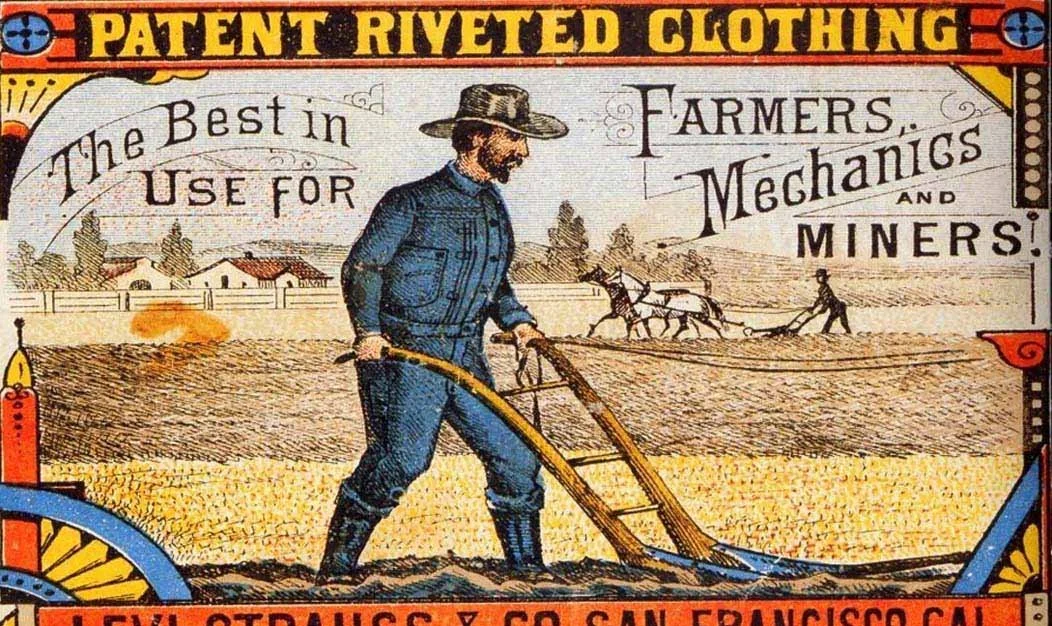
Levi’s 1800 Levi Advertisement, (Hawthorn).
For more than 150 years, jeans have evolved from durable workwear into one of fashion’s most iconic wardrobe staples. Denim’s origins goes back to Nîmes, France, where a sturdy twill fabric known as serge de Nîmes helped inspire the name “denim.” In 1873, businessman Levi Strauss and tailor Jacob Davis patented the use of metal rivets to reinforce work trousers, helping establish the foundation of modern blue jeans.
Originally worn by miners, farmers, and laborers for their durability, jeans gradually entered mainstream fashion, becoming symbols of youth culture, rebellion, and self-expression throughout the 1950s and 1960s. From the flared silhouettes of the 1970s to the designer denim boom of the 1980s and today’s oversized and vintage-inspired styles (Hawthorn, n.d.). Now, denim is entering another era of transformation. This era is not only focused on how jeans look and feel, but also on how they are manufactured, how long they last, and how their environmental impact can be reduced.
Denim has become a testing ground for sustainable fashion innovation, with clothing brands experimenting with alternative materials, water-saving production methods, cleaner finishing techniques, and textile recycling. These efforts reflect a broader shift in the fashion industry toward creating clothing that looks good while using fewer resources and generating less waste (Diesel, n.d.; Denim Leads Sustainable Fashion, 2020).
For Gen Z and younger millennials, sustainability is no longer just a bonus when shopping. Many consumers want to understand how the brands they support source materials, manufacture clothing, and manage waste. Sustainable denim offers an opportunity to explore those questions through a familiar, everyday item.
Good news is sustainable jeans do not have to mean compromising on personal style. Brands are finding ways to preserve the washes, distressed finishes, and silhouettes consumers love while rethinking how denim is made. From choosing jeans made with recycled fibers to repairing a well-loved pair instead of replacing it, the future of denim is about making fashion more responsible without losing its personality.
Better Cotton: Rethinking the Materials Behind Your Jeans
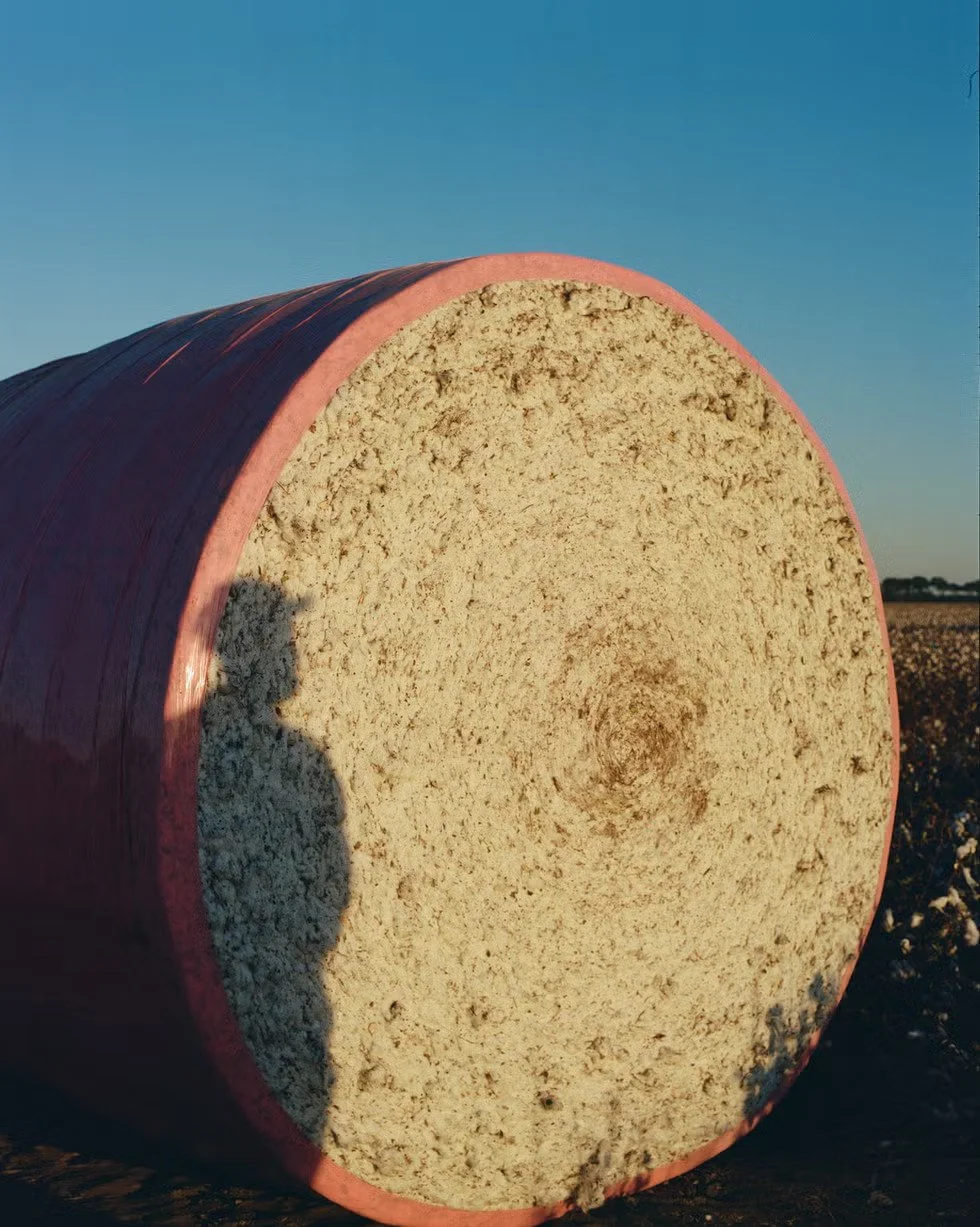
Baled cotton on one of Humanity Group’s Regenerative Cotton Program farms. (Photo taken by Humanity Group, ELLE).
One of the first steps toward sustainable denim begins long before a pair of jeans reaches a retail store: the raw materials.
Conventional cotton farming can have significant environmental impacts, making the sourcing of cotton an important consideration for denim manufacturers. In response, brands are exploring alternatives such as certified organic cotton, regenerative cotton, and recycled fibers. These materials can help reduce reliance on conventional raw materials and support efforts to improve the environmental performance of textile production (Diesel, n.d.; Here’s How Denim Brands Are Leading the Charge, 2024).
Organic cotton is grown under certification standards that restrict the use of certain synthetic pesticides and fertilizers. Regenerative approaches, meanwhile, aim to improve soil health and ecosystem conditions through agricultural practices. Recycled cotton offers another opportunity by recovering existing fibers instead of relying entirely on newly grown cotton.
Diesel highlights the use of certified organic, regenerative, and recycled materials as part of its approach to more responsible denim production (Diesel, n.d.). These efforts illustrate how a major fashion brand can experiment with alternative materials while continuing to produce recognizable denim styles.
Consumers should look for straight-leg jeans, vintage-inspired denim, or everyday wide-leg styles that explicitly identify organic cotton or recycled fibers in their product descriptions. Check the actual material composition and any stated certifications rather than relying on a vague “eco-friendly” label.
The key takeaway is that the material matters. Understanding what goes into your jeans is one way to make more informed shopping decisions.
Saving Water Without Sacrificing the Perfect Denim Wash
That perfectly faded blue wash or lived-in vintage look may seem effortless, but traditional denim washing and finishing can require substantial water. These processes help create the range of colors, textures, and distressed appearances that make jeans so popular.
As denim brands work to reduce their environmental impact, water conservation has become an important area of innovation. Companies are exploring alternative washing and finishing techniques designed to preserve denim's signature appearance while reducing water consumption (Denim Leads Sustainable Fashion, 2020; Here’s How Denim Brands Are Leading the Charge, 2024).
Sustainability is not only about the fabric itself, the processes used to turn raw denim into a finished product also influence its overall environmental footprint.
Instead of relying exclusively on conventional methods to achieve fading or distressing, manufacturers can investigate alternative technologies and production techniques. The goal is to deliver the same fashion-forward results while using resources more efficiently.
For shoppers, this means that a distressed, light-wash, or vintage-inspired pair of jeans may be produced using different methods depending on the brand and product. Consumers should consider dark-wash straight-leg jeans, light-wash mom jeans, or relaxed vintage-style denim from brands that disclose their water-saving manufacturing initiatives. Look for specific information about the production process rather than assuming a certain color or finish is automatically more sustainable.
Brand transparency is key to supporting sustainable denim. It’s important to remember that a garment's appearance alone does not reveal how much water was used to manufacture it.
Cleaner Chemistry: Responsible Denim Production
Water is only one part of the production process. The dyes, washes, and finishing treatments used to create denim can also raise environmental concerns.
Denim manufacturers are increasingly exploring cleaner dyes and finishing techniques while participating in initiatives intended to reduce hazardous chemicals throughout textile manufacturing. These efforts are part of a broader movement to improve production practices instead of focusing exclusively on the finished garment (Here’s How Denim Brands Are Leading the Charge, 2024; Denim Leads Sustainable Fashion, 2020).
The challenge is balancing environmental considerations with consumer expectations. Shoppers still want rich indigo shades, faded knees, whiskering, and distressed details. Brands have to find ways to create these recognizable finishes while investigating processes that use fewer harmful substances or reduce resource demands.
For sustainability-conscious shoppers, this is an important reminder because two pairs of jeans can look nearly identical while being made through very different production processes.
Diesel: Turning Denim Waste Into New Jeans
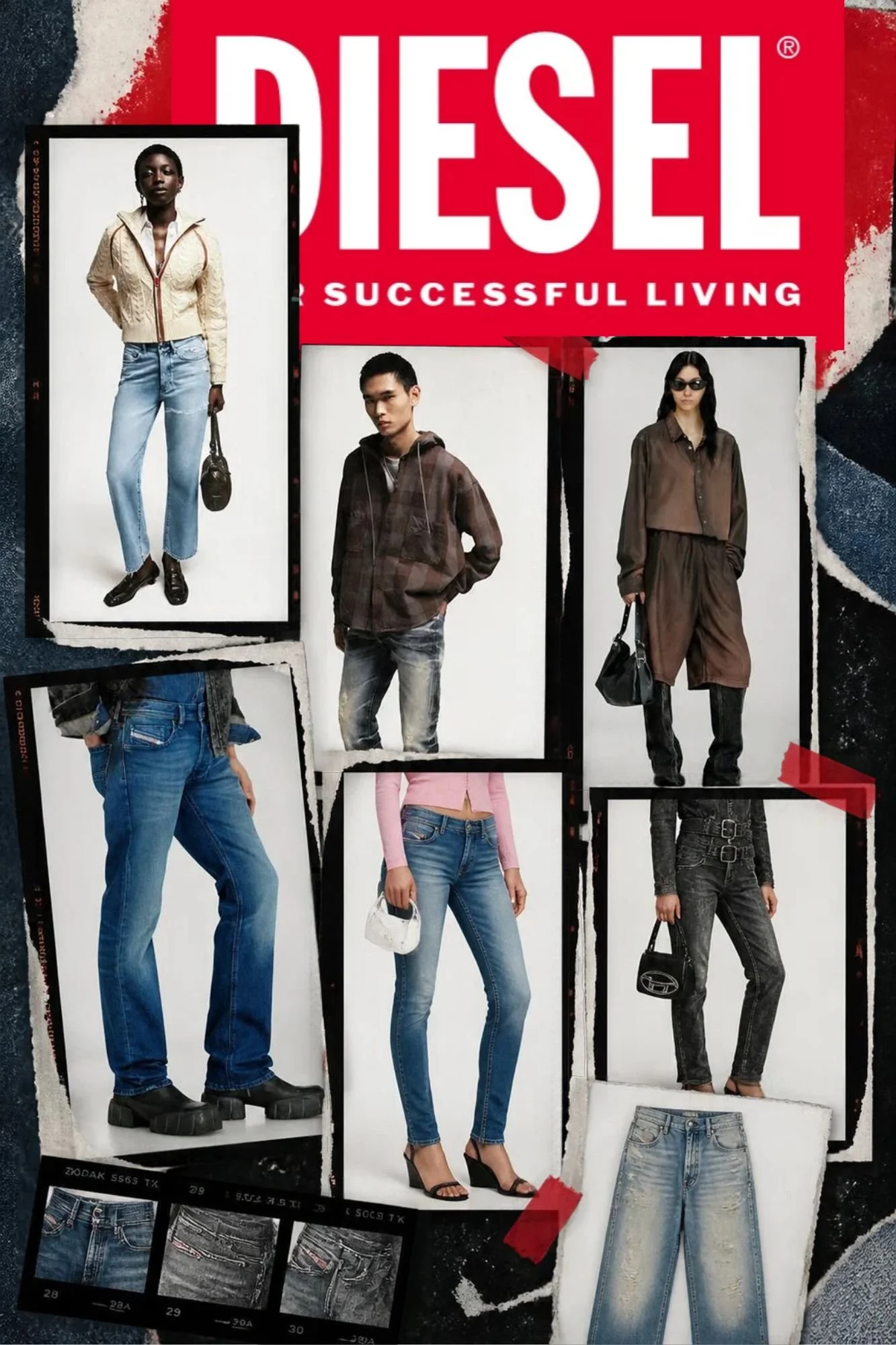
Diesel jeans collage, (Collage made by Anastasia Manouvelos).
One of the most promising developments in sustainable denim is the move toward circular production. Instead of treating leftover textile material as waste, brands are exploring ways to recover it and use it again.
Diesel provides an example through its partnership with the United Nations Industrial Development Organization (UNIDO). According to the information summarized in the course research, the initiative mechanically recycled denim cutting scraps into new yarn. The pilot transformed nearly 24 tons of textile waste into material used in approximately 88,000 pairs of jeans (Diesel, n.d.).
This example demonstrates how textile waste generated during manufacturing can become a resource for new products. Rather than allowing usable denim scraps to go unused, manufacturers can investigate methods of recovering fibers and returning them to the production process.
Recycling is not a complete solution to fashion's environmental challenges. The results depend on factors such as fiber quality, recycling methods, energy use, and how much recycled material ultimately enters a finished garment. Nevertheless, turning manufacturing waste into usable material represents an important step toward reducing the industry's dependence on virgin resources.
Diesel's broader Be the Alternative initiative also highlights its work with preferred materials, including organic, regenerative, and recycled options (Diesel, n.d.).
When shopping, consumers should explore jeans that explicitly list recycled cotton or other recycled fibers in their composition. If a brand provides information about where its recycled material comes from, use that detail to understand the product more clearly.
The larger lesson is that sustainable denim requires manufacturers to reconsider not only what goes into new jeans, but also what happens to the material left behind during production.
Nudie Jeans: Why Making Jeans Last Matters
Recycling is valuable, but one of the most practical ways to reduce clothing waste is to keep garments in use for longer.
Nudie Jeans has built durability and repair into its approach to sustainable denim. The brand is known for producing long-lasting jeans and offering customers free repairs, helping people extend the life of garments they already own (Good On You, 2021).
This approach challenges the idea that a small tear, worn knee, or loose seam automatically means it is time to buy a replacement. Repairing a garment can help preserve the resources invested in its original production and reduce the need to purchase something new immediately.
For consumers, the appeal is both practical and personal. Denim often develops character with wear, making a repaired pair of jeans feel more individual over time. A visible patch or faded finish can become part of the garment's story instead of a reason to discard it.
Nudie Jeans demonstrates how a brand can make longevity part of its sustainability strategy by encouraging customers to maintain their clothing rather than constantly replace it (Good On You, 2021).
If you are buying new jeans, consider durability, fabric quality, fit, and whether the brand offers repairs or care guidance. A well-fitting pair that you genuinely enjoy wearing may be more useful than an inexpensive trend piece that quickly loses its appeal.
You can also make your current wardrobe more sustainable by repairing a split seam, replacing a button, or patching a small hole. Before purchasing another pair, consider whether the jeans you already own can be restored.
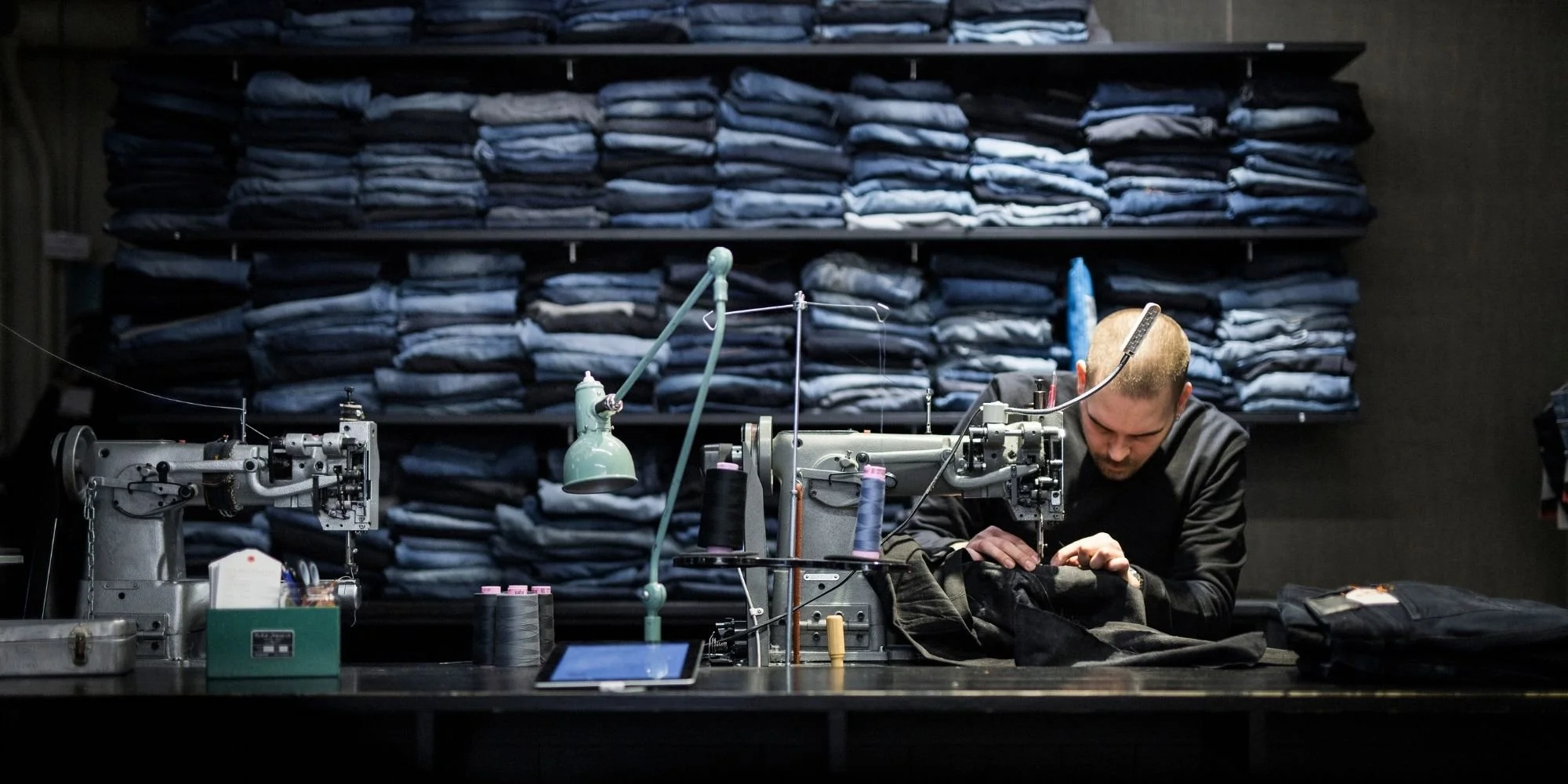
Repairmen sewing denim together. (Good on You).
Circular Fashion: What Happens to Jeans After You Wear Them?
Sustainable denim is about more than manufacturing a better product. It also involves considering what happens when a garment no longer fits, suits your style, or serves its original purpose.
Circular fashion focuses on keeping products and materials in use through strategies such as repair, resale, reuse, and recycling. For denim, these approaches can help extend the useful life of jeans and reduce the volume of clothing that becomes waste (Denim Leads Sustainable Fashion, 2020).
Resale gives wearable jeans another opportunity to be used. Clothing swaps allow people to exchange pieces they no longer wear. Donations and textile collection programs may also help redirect garments, although what happens to donated clothing depends on the organization and the condition of the items.
Recycling is another option, particularly for denim that is too damaged to wear. However, not every textile collection program can recycle every garment, so it is important to check the requirements before dropping off clothing.
Consumers can contribute to circular fashion through relatively simple decisions. Such as, buying secondhand, choosing durable pieces, repairing damage, and passing on wearable jeans instead of throwing them away.
To participate in the denim circular fashion cycle, consumers should look into secondhand vintage Levi's-style jeans, pre-owned designer denim, or gently used wide-leg and straight-leg jeans through resale platforms and local thrift stores. Shopping secondhand can give existing garments a new life without creating demand for a newly manufactured replacement in that particular purchase.
Circularity also means thinking carefully before buying. The most sustainable option may be to wear, repair, or restyle a pair of jeans already hanging in your closet.
The Details Matter: Buttons, Zippers, and Other Denim Components
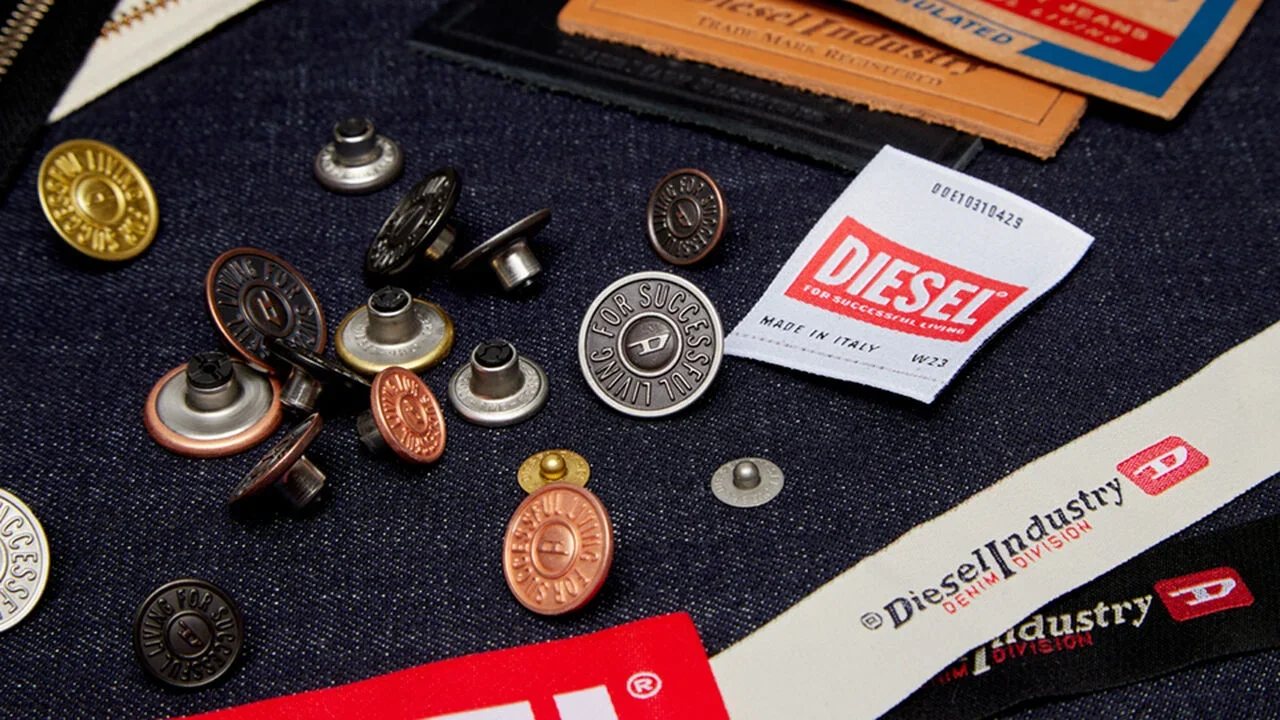
An array of Diesel buttons, zippers, and Diesel pocket stripe and care labels sewn onto Jeans. (Diesel)
When discussing sustainable jeans, it is easy to focus exclusively on cotton and forget about the other components that make a garment wearable.
Buttons, rivets, zippers, labels, patches, and other trims can contribute to a pair of jeans' environmental footprint. Denim manufacturers are therefore exploring alternatives such as recycled metals and recycled polyester, alongside other preferred materials (Here’s How Denim Brands Are Leading the Charge, 2024).
These details matter because a finished pair of jeans is made from more than its primary fabric. Each component involves material choices and production processes that can affect the overall impact of the garment.
There are practical considerations, too. A durable zipper, sturdy button, and well-constructed seam can help a pair of jeans remain wearable for longer. Meanwhile, some recycling processes may be more difficult when garments contain mixed materials or multiple trims, making thoughtful product design important.
For shoppers, transparency is useful. Brands that explain their material choices and manufacturing decisions provide a stronger basis for evaluating sustainability than brands relying only on broad marketing language.
Make sure to look for well-constructed jeans with durable hardware, sturdy seams, and clear information about recycled or preferred materials. If a product description mentions recycled metal trims or recycled polyester components, check what the claim specifically covers.
No single detail makes a garment fully sustainable, but considering the entire product helps consumers make more informed decisions.
Can Sustainable Denim Still Be Fashionable?
One reason denim is such an interesting category for sustainable fashion is its ability to adapt. Jeans can be minimal or distressed, fitted or oversized, vintage-inspired or contemporary. They are deeply embedded in everyday style, so brands have an incentive to find more responsible ways to produce the looks customers want.
The denim industry's sustainability efforts show that aesthetics and environmental considerations do not have to be mutually exclusive. Manufacturers are exploring lower-impact materials, water-saving processes, cleaner finishing techniques, and recycling initiatives while continuing to produce familiar denim washes and silhouettes (Denim Leads Sustainable Fashion, 2020; Here’s How Denim Brands Are Leading the Charge, 2024).
For younger millennials and Gen Z shoppers, this creates an opportunity to make sustainability part of personal style rather than treating it as a separate trend.
That does not mean every pair of jeans marketed as sustainable has the same environmental benefits. Claims vary, and shoppers should look for specific evidence about materials, production, durability, and repair or recycling options.
A more thoughtful approach to denim shopping can start with a few questions:
Do I genuinely need another pair of jeans?
Will I wear this style regularly for several years?
Does the brand explain its material sourcing and manufacturing practices?
Can the jeans be repaired if they become damaged?
Is secondhand denim a practical alternative?
Does the retailer offer a credible repair, resale, or take-back program?
These questions move the conversation beyond trends and toward the full life cycle of a garment.
The Bottom Line: Better Jeans Start With Better Choices
Denim is emerging as an important testing ground for sustainable fashion because brands are addressing several parts of the garment life cycle at once. Organic and regenerative cotton, recycled fibers, water-saving production, cleaner finishing techniques, textile-waste recovery, durable construction, and repair initiatives all offer potential ways to improve how jeans are made and used.
Diesel's work with recycled manufacturing scraps illustrates the potential of turning textile waste into new material, while Nudie Jeans shows how repair services can help consumers keep their denim in circulation for longer (Diesel, n.d.; Good On You, 2021).
Still, sustainable fashion is not about finding one perfect pair of jeans. It is about making more informed decisions, asking brands for transparency, and reducing unnecessary consumption where possible.
For shoppers who want to align their wardrobes with their values, start with what you already own. Repair the jeans you love, explore secondhand options, and research the materials and production practices behind new purchases. When you do shop for sustainable denim, prioritize quality, versatility, and credible information over vague green marketing claims.
Because the future of fashion is not simply about buying a better pair of jeans. It is about making the jeans we buy, and the resources used to create them, go further.
Works Cited
BE THE ALTERNATIVE diesel.com https://diesel.com/en-us/for-responsible-living/be-the-alternative/
Denim Leads Sustainable Fashion, and Here’s What’s Setting the Sector Apart (2020, September 15). wwd.com https://wwd.com/fashion-news/textiles/feature/denim-leads-sustainable-fashion-sector-1234579115/
Here’s How Denim Brands Are Leading the Charge in Sustainable Fashion (2024, May 1). elle.com https://www.elle.com/fashion/trend-reports/a60609684/denim-industry-sustainability/
Nudie Jeans: Pioneering Sustainable Denim for 20 Years (2021, April 13). Goodonyou.eco https://goodonyou.eco/nudie-jeans/
History of Denim & the Origin of Jeans hawthornintl.com https://www.hawthornintl.com/history-of-denim